

The Loudest Quiet
How gunshots brought back old habits

It’s been just over two years since I worked in news. A lot has changed, and I’m grateful to have settled into a different kind of existence. I can, for example, limit my exposure to news coverage, the kind of thing I heard mental health experts recommend in interview after interview.
Your mind and body find ways to adapt to being immersed in a stressful cycle, and the truth is, not all of them are healthy. Sometimes the best-case scenario is going numb naturally. It’s easier than you think; the routine and structure of having to get a show on the air every day provide a natural buffer against the stories that fill it in worst of times.
The show ends eventually, though, and it’s just you, the drive home, the din of the studio gone, the quiet creeping in behind you as you close the front door. In those quieter moments of devastating news cycles, my mind would wander to finer details. I would start imagining what individuals must have felt, thought about, what they were doing, what they were like: airline passengers on 9/11, people trapped in the fire at The Station nightclub in Rhode Island, the kids and teachers at Sandy Hook, and on and on and on.
I recall it happening for the first time somewhere in the wee hours of September 12, 2001. I had worked late and barely slept when I suddenly jolted awake and wondered, out loud to the darkened room, “Were there kids on the planes?”
I hadn’t had time to think about it and I didn’t know in that moment. I do now. There were eight children. The youngest was 2, Christine Lee Hanson. They found the Peter Rabbit stuffed animal she had brought with her for the trip.
To explain this to you is to break my own heart all over again, but it also helps me find the courage to say what I want to say next.
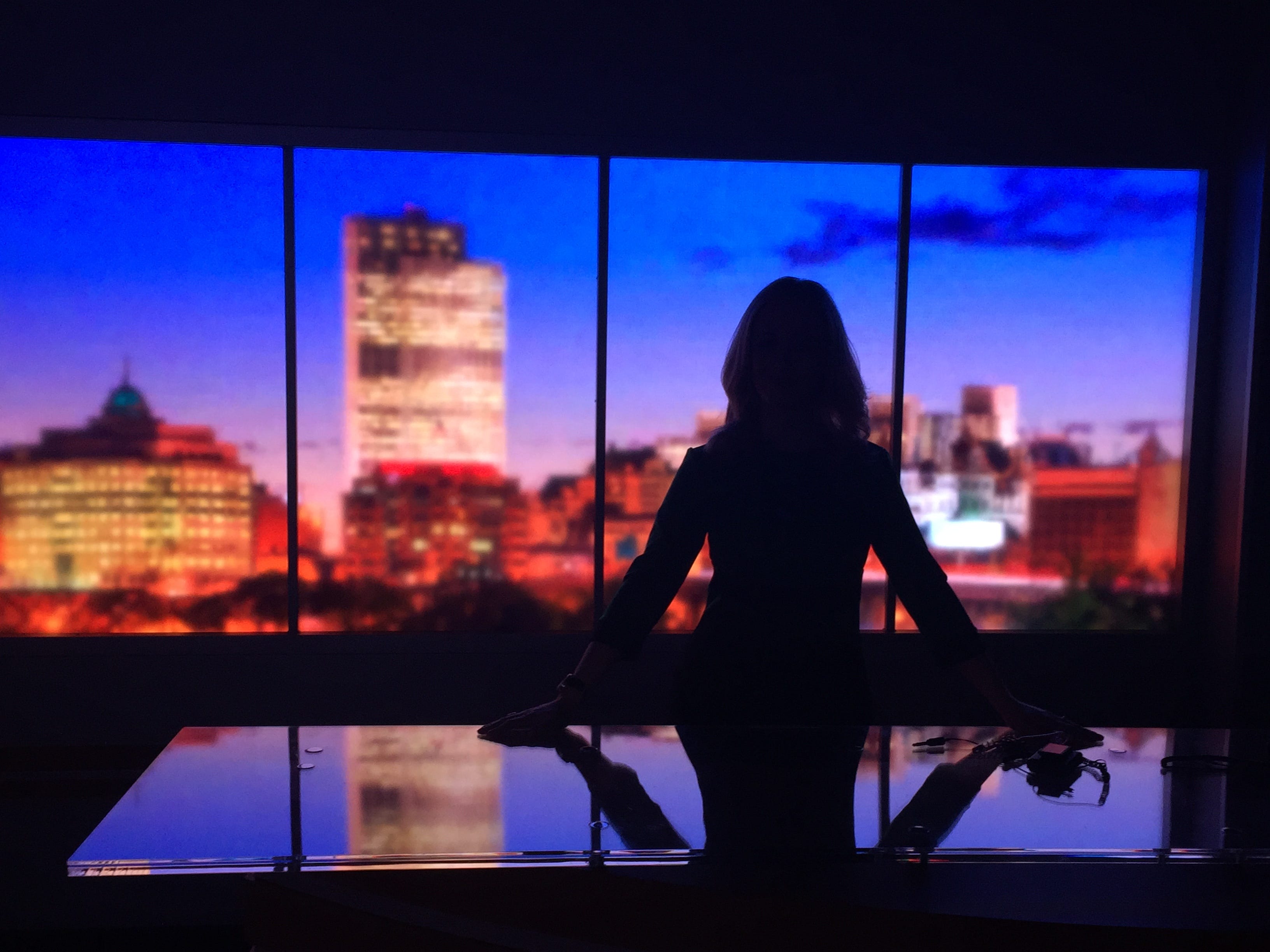
In a barrage of headlines and updates, new information, and latest soundbites, it’s easy to lose sight of what happened and what becomes of the actual human beings who become news stories, the small details and the little things that made up their lives, whether they were cut short or forever changed in a singular instant.
For the first time in a long time, the quiet really crept in after an ICE agent shot and killed a woman in her car in Minneapolis. It brought the questions with it: what must it have sounded like inside Renee Good’s SUV? How could anyone leave her wife and dog, covered in her blood, to shiver on a curb? How long were their ears ringing? Would they tell her 6-year-old right away at school or would they afford the child a few more hours of blissful ignorance? Why, when he could have shot the tires, did he fire again and again at her face?
I felt sick and then I got to work learning more about the United States’ laws and policies, another holdover habit from working in news.
If you go to dhs.gov, you can read the updated Homeland Security policy on the use of deadly force for yourself. Of note are the “General Standards” of the policy which are: respect for human life, de-escalation, and use of safe tactics.
The policy states federal agents can’t use their weapons to stop a moving vehicle. There is an exception for the vehicle being used to threaten deadly force, still there is a condition that further emphasizes restraint, stating that agents should only discharge their firearms when no other objectively reasonable means of defense is available.
It’s all information that, like the video of Renee Good’s shooting death itself, should provide some clarity. Instead it seems to be serving as everything from ammunition for debate to justification for state-sponsored murder.
We have seen the current administration ignore laws and policies in rapid succession over the last year, using the deliberately measured and sluggish nature of the American justice system as a weapon in itself. I remain hopeful this will catch up with them eventually, not because I’m some sort of unhinged activist, but because I was taught right from wrong. I also have a healthy skepticism when it comes to trusting people who rely on trickery, deceit, and cruelty as a rule.
I recognize these words may resonate with some and not with others, and that’s why, in quieter moments, I consider the 15-hour drive that separates Perry from the people of Minneapolis, along with one more question: how close does the barrel of the government’s gun need to come to your nose for you to draw the line?
This essay originally appeared in my column in the January 15, 2026 edition of the Perry Herald in Perry, NY.
Once again, you captured my thoughts and took away just a bit of the heaviness in my heart every day. Although my career went in a different direction, I studied journalism and political science as an undergrad in the 70s. I can never just look away - except when it's too much. And we're on the verge of "too much" every day of this administration. Thank you for confirming I sometimes have to escape.
Bravo Kate ‼️‼️ A person on Threads - @therealjackhopkins posted the following: A friend of mine who is a U.S. Citizen who lives in Poland said he keeps being asked by co-workers, “Have the American people felt enough pain yet, or have they decided they need to feel a whole lot more…before they fucking do something?” I think this says it all. We need to do something! Nobody is coming to save US‼️‼️‼️